Living in the North of Sweden

Malmö might not see much snow anymore, Göteborg is bustling with book and film festivals, Stockholm is full of people and startups, but what about the two-thirds of the country that are a bit more up north? The stereotype for a norlänning, someone living in Norrland, is the silent broody type, able to deal with problems, inseparable from his car, snowmobile, or hunting rifle, and with at least one alcoholic in his big family, if you believe the movies. But Norrland is in fact a ton of different places — the coast is not the same as inland, Umeå is not the same as any of the dozen villages called Näs — and a ton of different people. The nature is not the same, the dialects are not the same, the culture is not the same, but yeah okay everybody parks exactly like this:
Where is Norrland?
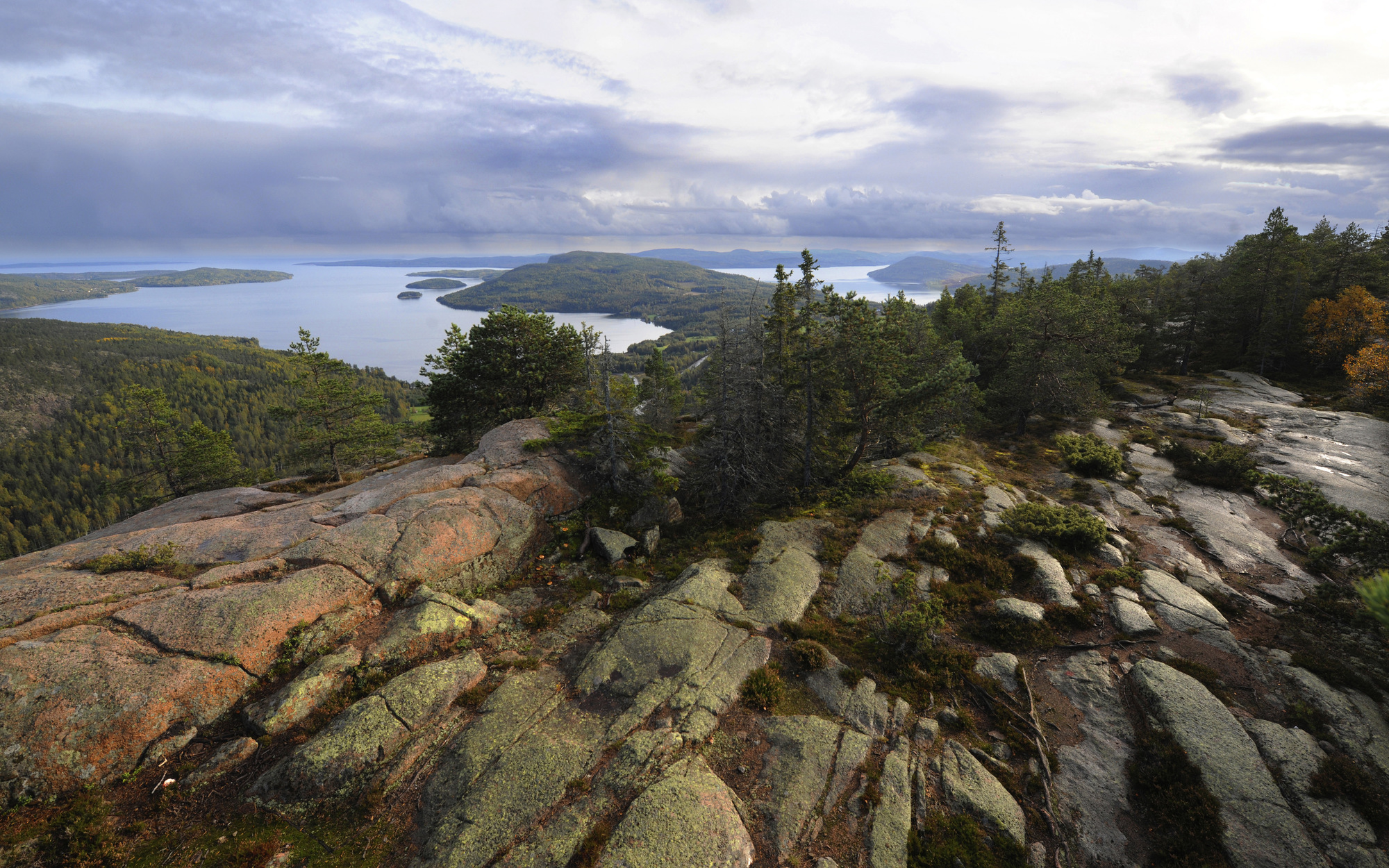
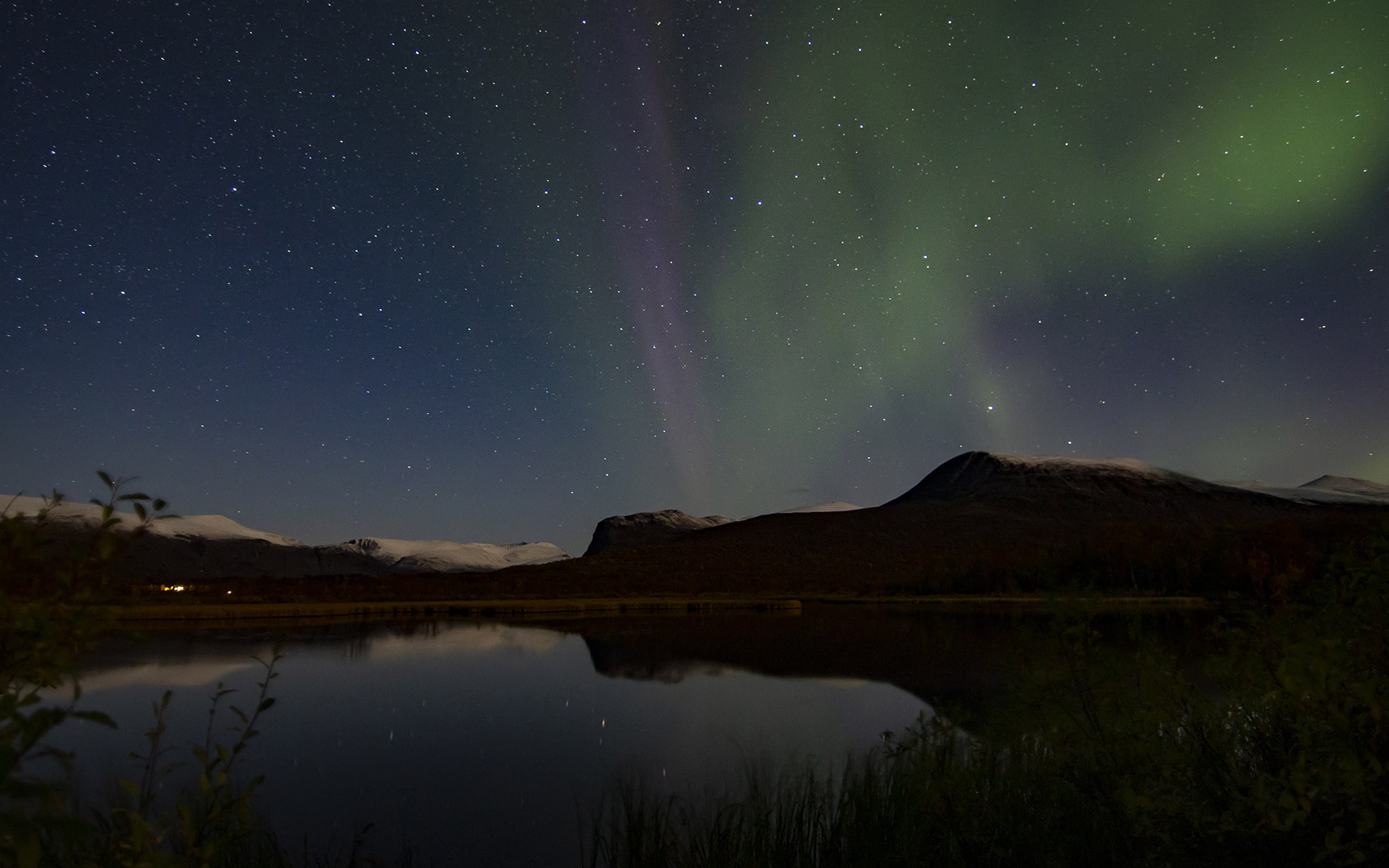
Depending on whom you ask, Norrland starts somewhere between Gävle and Sundsvall. Wikipedia has this nice image with four different lines which potentially separate Norrland from Svealand. Folks from beyond the Arctic Circle might even say the southern part of Norrland is not really Norrland, just to mess with you. In any case, there's all the space in the world and not that many people in Norrland (<5/km²). There are gorgeous national parks and stunning landscapes just as you go about your day. Northern lights are pretty much a given. Tourists love this stuff, and come more and more for a “coolcation” — that is, a vacation without the scorching heat.


Norrland is also where many natural resources have come from (and continue to come): wood, ore, precious metals, hockey players, mosquitoes, and hydroelectricity. Unlike Norway though, where the host municipalities have a revenue share for hydropower and the hospitals are financed on the state level, Norrland sends the resource taxes to the state and finances healthcare from the local tax base which is much smaller.


A paper in English called “A world-leading periphery: exploring representations of Northern Sweden in view of its green transition” (2024)
(pdf link, in case the above doesn't work)
The reserved Swedes of the North
I've lived in two different cities in Sweden, and visited friends or coworkers in a few more. The popular notions about Swedes held up there: I've never spoken to a neighbor, nobody has ever offered help or bothered me, and getting together quite often meant checking the calendar for three weeks ahead. Passive-aggressive notes in the shared laundry rooms were pretty common too, all as expected.
On the countryside in the north though, I have small-talk and spontaneous invitations quite regularly, and if my car dies in the middle of the forest on Christmas Eve and the insurance company is not picking up the phone, I know whom to call. It's not like my neighbors are intruding; I don't see or hear them most days, but if they're walking their dog and I'm going down to the postbox, we stop and chat, and if I'm doing something in the garden, a passer-by might ask me about the tool I'm using or whatever.
When we were moving in, the neighbors dragged our rented truck out of the snow and introduced us to the village association. The association folks were smiling and saying things like “stop by for a fika if you ever feel like it”. Not much calendar-checking. And there are four different knitting meetups within half an hour of driving, where everyone is welcome without signing up beforehand.
The popular hobbies skew towards outdoorsy stuff and things you can do during long winter nights, like knitting. So there's truth in the hunter stereotype, and the “woohoo let's get on the snowmobiles and drive across the lake” one too. But it's not like there are no Umeå meetups about the latest craze in AI. A city is a city, wherever it is.
The cars, the jobs, the cold
Okay so the nature is gorgeous and serene, the people are helpful and self-reliant, what's the catch then? The catch is the infrastructure. Norrland doesn't get the same investments as before (and as other places do), and you can see it in the unmaintained roads, in some hospitals and schools at risk of shutdown, in the years-long queues for adults to the public dental clinic (Folktandvården), and the barely-existing public transport (if you step outside the biggest cities, that is). What you see instead of buses, trams, and bike lanes are cars and EPAs (the cars modified to drive tops 40km/h that teenagers can use). Everyone living outside of a city is dependent on a car, and come winter, you need to make sure it's free from snow and ice. The recommended time for pre-heating your engine is half an hour or more with the standard winter temperatures here. Batteries are not in love with the cold either. Due to the state of the roads, the cars get worn out faster and broken more often. If you don't have enough torque and/or ground clearance, you might get stuck. On the upside, traffic jams are not really a thing; it takes me less time to drive to another city's Ikea than it used to take me to get from one side of the city to another back in my home country (and with less predictability).
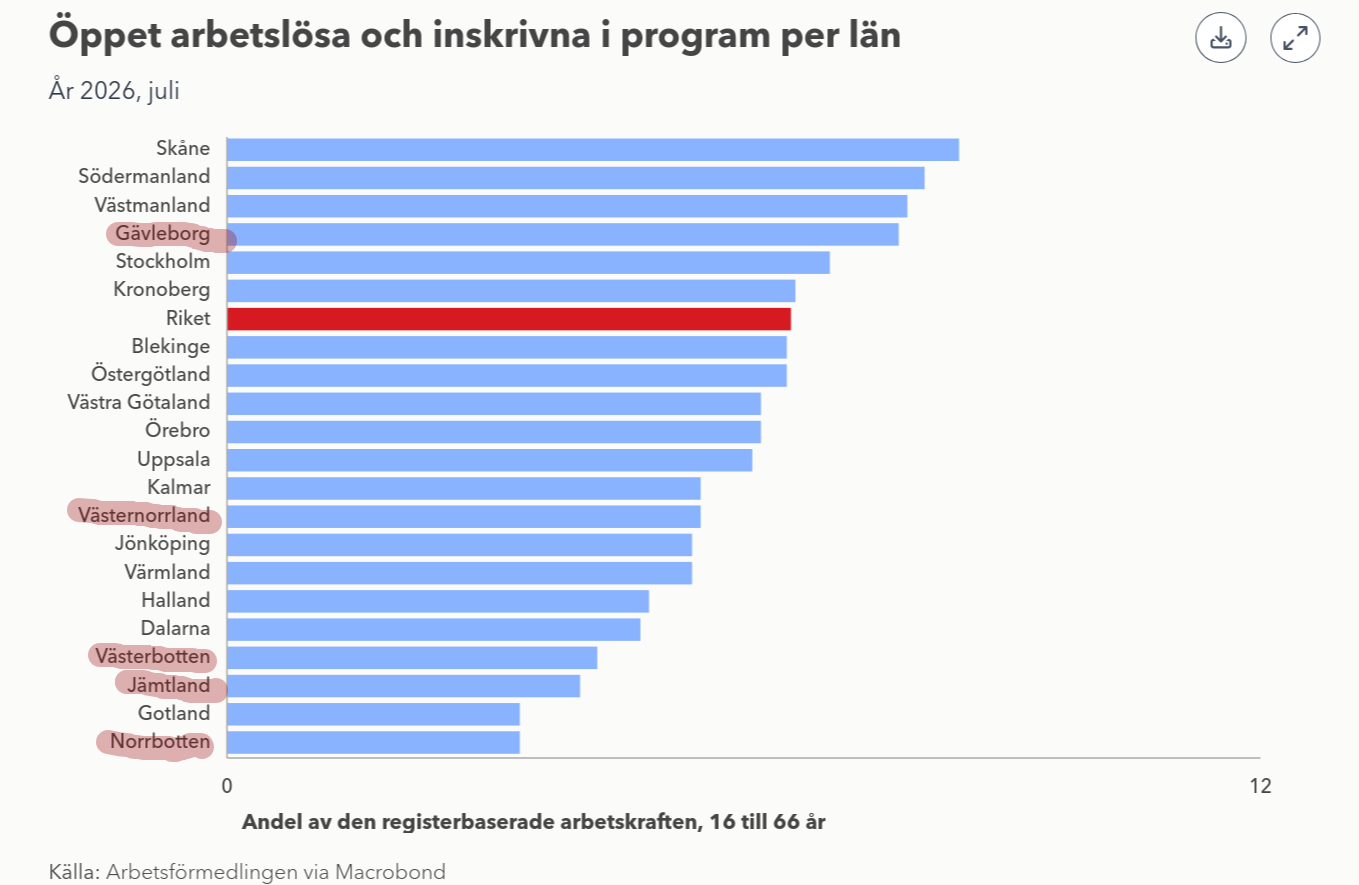
Jobs are not the catch though; unemployment is traditionally lowest in the north. Ukrainian refugees in Boden, for example, were given an opportunity to learn Swedish and integrate, and more than half of them had a job at the time when in Sweden at large 7 out of 10 didn't. This aligns with my anecdotal experience of Norrland making use of all the human resources it gets.
 Erica Olofsson

But the electricity's cheap, right?
It is, in summer, when you don't need to heat your house 24/7 while it's -20°C outside. The prices might be lower, but the non-negotiable consumption is just not the same as down in Skåne. The property prices are lower though, with some exceptions like Skellefteå during the Northvolt boom.
Food prices can be a bit higher. Post and packages might take a bit longer to arrive. The variety of shops and services might be lower (although there are lots of pop-up markets with locally produced stuff).
The trade-off
It might sound bonkers to some to move even further north than Stockholm, and for some good reasons, but many people like the dark winter afternoons as long as there are Northern lights, cozy stuff to do, and bright-white snow on the ground and the trees, reflecting the sun so much you need your sunglasses more than you do in summer. Speaking of summer, the never-ending daylight is great for strawberries; it's also overall convenient as long as you put blackout curtains into your bedroom.
I hear from a lot of parents in particular that no money in Stockholm could buy them the quiet freedom and the relaxing safety of Norrland. Some people get chicken and others get into woodworking. There's so much space to just be yourself and do whatever you want without inconveniencing anybody.
To round it all up: I wouldn't necessarily recommend Norrland to someone who lives in the south as a part of a tight-knit community, or has family support, or an onsite job that they love. But if you're mostly just unsure about the cold and otherwise curious about a calmer life closer to nature and other people whom you only see when you want to — maybe buy some long johns and give it a whirl. We've got fiber internet here just like everyone else.